
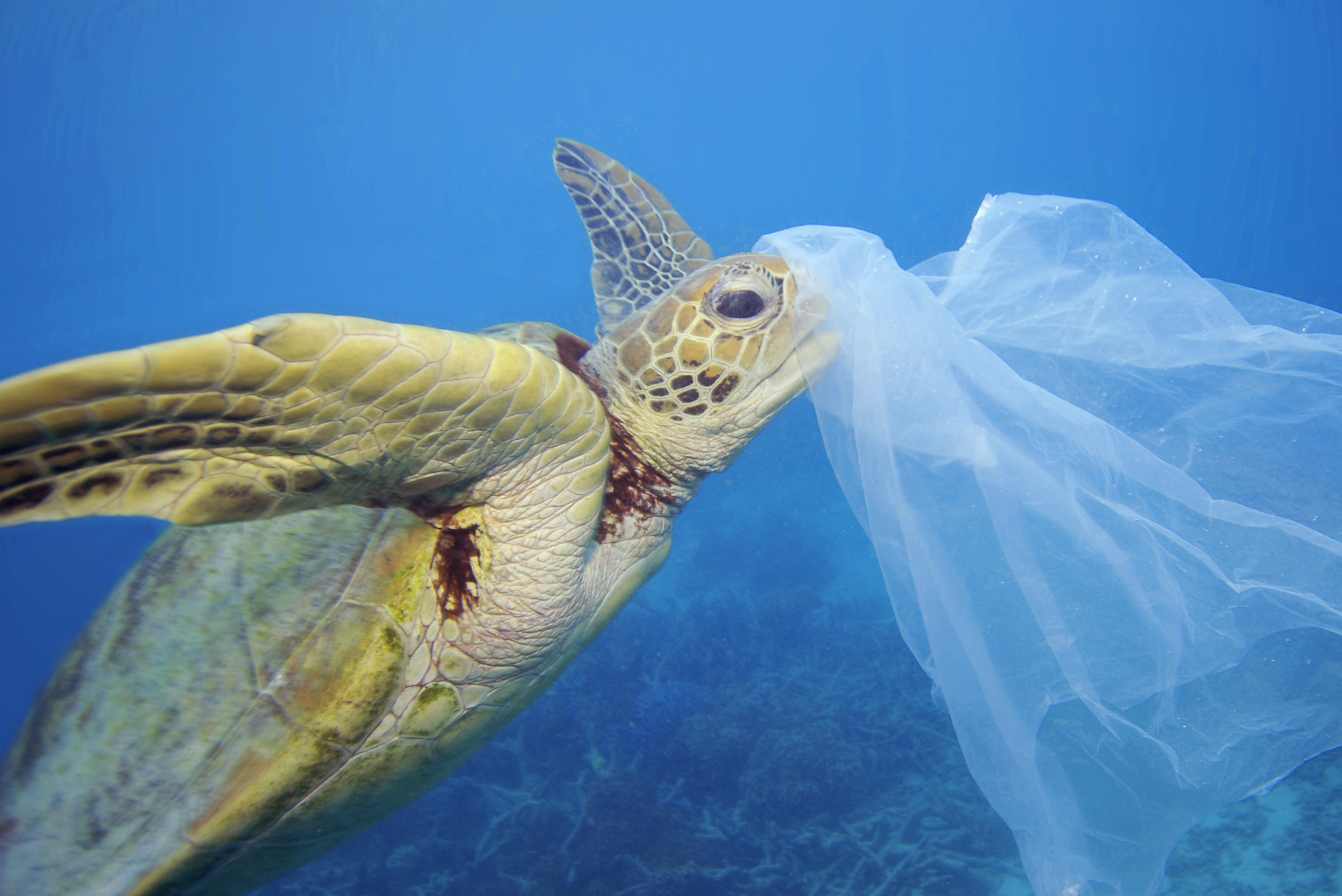
We brought plastic into our lives for convenience. Today, it lives within us without permission.SS
We welcomed it with open arms – lightweight, convenient, affordable, everywhere. Plas;c didn’t force its way into our lives, we made space for it in our kitchens, our bags, our celebra;ons, and our everyday rou;nes. It made life easier, faster and we didn’t stop to ask, at what cost? Today, that ques;on is no longer op;onal.

What we use... uses us back
Every plas;c boDle we drink from, every packet we open, every container we heat leaves behind more than just waste around us. It leaves traces within us.
Microplas;cs – ;ny par;cles formed from the breakdown of plas;c have found their way into our bodies through food, water, and even the air we breathe. They are not meant to exist within us, yet they accumulate over ;me.
The danger is not always immediate but gradual, silent, and oHen unno;ced disrup;ng hormones, stressing internal systems, and interfering with the body’s natural balance. We oHen fear visible threats. But what about the invisible ones we normalize every day?
Recent findings have detected microplas;cs in human ;ssues including breast ;ssue, even in some women diagnosed with breast cancer. The science is s;ll evolving, with no simple conclusions yet.
But the ques;on remains. When substances that were never meant to exist within the human body begin to seDle into it, what does that mean for our health in the long run?
We may not have all the answers today, but the signals are already there.
Nature is not reac%ng. It is suffering
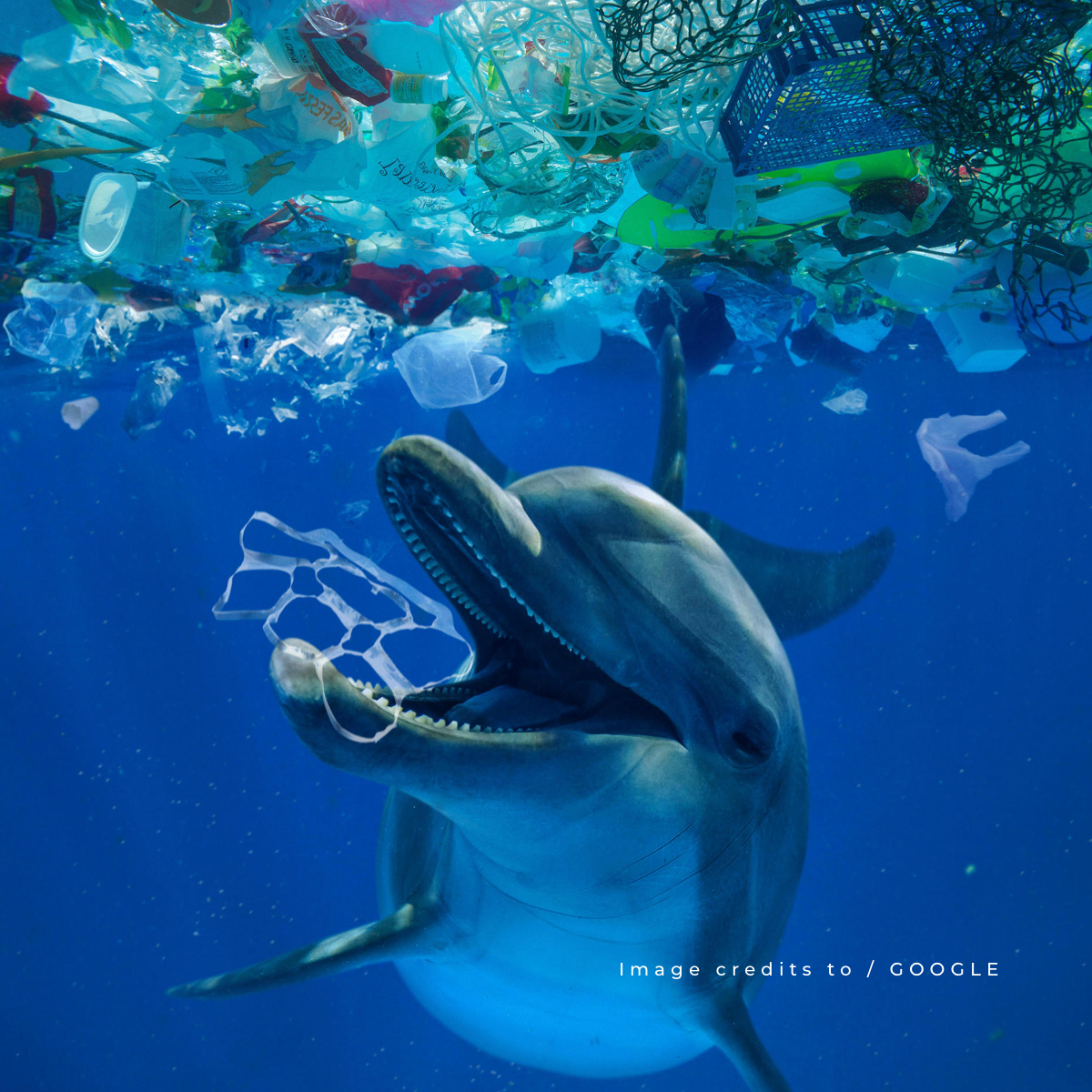
A plas;c bag carried by the wind may seem harmless un;l it ends up inside an animal. A discarded boDle may feel insignificant un;l it reaches the ocean and becomes a hazard to marine life.
What we don’t see, we tend to dismiss but nature does not.
Oceans are increasingly burdened with plas;c waste. Soil health is deteriora;ng. Animals are consuming materials their bodies cannot process. And what enters these systems does not stay there – it moves, circulates, and eventually returns to us in forms we are only beginning to understand.
Even the untouched is no longer untouched
There are places on this planet where humans don’t live – the Arc;c and Antarc;ca. No ci;es, no consump;on, no direct human presence. And yet... plas;c is there. Carried by oceans and winds, our waste has reached even the most remote corners of the Earth. What we once called untouched is no longer untouched. Polar bears, walruses, and penguins con;nue to exist there not because it is safe, but because it is the only world they know. Surrounded by ice, water, and traces of something that never belonged. We don’t have to be present to cause damage. And in ways we don’t yet fully understand that damage finds its way back to us.
Convenience, Consciousness, and Choice.
We don’t always choose plas;c out of necessity but out of convenience.A reusable bag requires planning. A steel boDle needs to be carried. A mindful choice takes effort. Plas;c asks for nothing and that ease costs more than we realize. It is not about guilt but about awareness. Change does not require perfec;on – only aDen;on. A small pause can make a difference: Do I really need this?
Is there an alterna;ve? Can I reduce this?
Sustainable change begins with individual awareness not forced ac;on. Plas;c itself is not the problem, our dependency on it, is. And just as we integrated it into every aspect of our lives, we also can reduce its presence – one conscious choice at a ;me. Because this is not just about protec;ng the environment.
It is about protec;ng the space we live in within our own bodies.
Convenience, Consciousness, and Choice.
We don’t always choose plas;c out of necessity but out of convenience.
A reusable bag requires planning. A steel boDle needs to be carried. A mindful choice takes effort. Plas;c asks for nothing and that ease costs more than we realize. It is not about guilt but about awareness. Change does not require perfec;on – only aDen;on.
A small pause can make a difference:
Do I really need this?
Is there an alterna;ve?
Can I reduce this?
It is about protec;ng the space we live in within our own bodies.
Author’s Note
As someone who values mindful living and conscious choices, I believe awareness is the first step toward change. This piece reflects my perspec;ve on how everyday habits, when leH unques;oned, can shape both our health and our environment.